
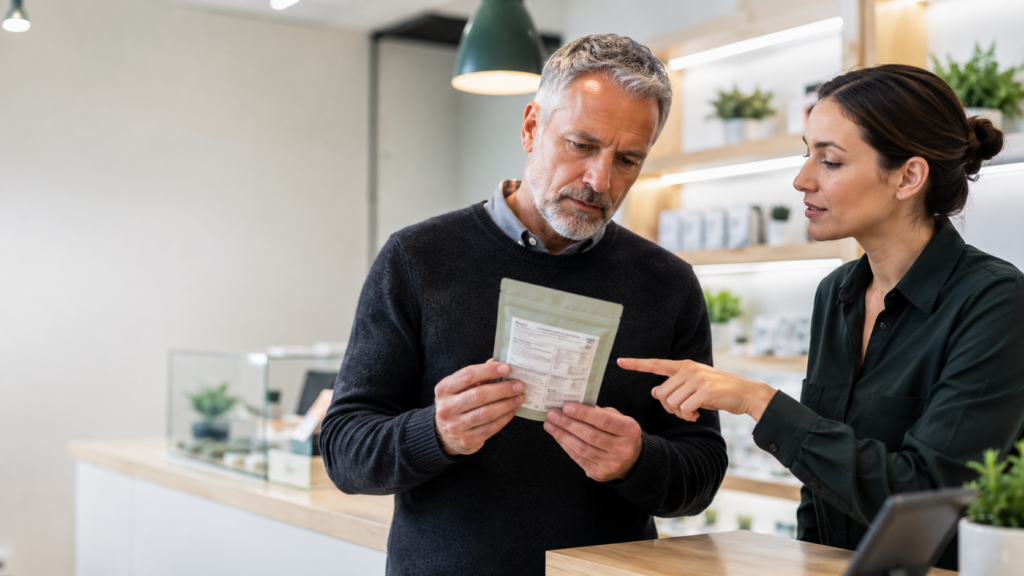
The difference between indica and sativa is not a sure difference in effect. The words began as plant labels and now serve as broad menu groups. Modern cannabis often has mixed ancestry, so adults should also compare the tested THC and CBD amounts, product form, serving size, and batch details.
Key Takeaways
- Indica and sativa first described plant traits and origins.
- Retail effect words are common, but they are not guarantees.
- Modern products may not fit into two clear genetic groups.
- Tested product facts are more useful than a name alone.
- Personal response can change by amount, form, and setting.
Where the Two Names Came From
The difference between indica and sativa began in plant study. Cannabis sativa L. is the accepted scientific name used for the plant. Other labels were used to describe plants with different shapes, growth patterns, and places of origin.
Retail menus often use sativa for products expected to feel bright or active. They often use indica for products expected to feel calm or heavy.
Those words may help an adult start a conversation. They do not prove how a tested product will affect one person.
This difference between indica and sativa guide keeps that limit clear.
How Sativa Is Commonly Described
Sativa products are often linked with daytime use. Menus may use words such as social, creative, clear, or active.
These words are not a medical fact. A sativa label does not mean the item will raise energy or improve focus. It can still cause strong impairment, anxiety, poor judgment, or other unwanted effects.
The difference between indica and sativa does not show potency. A sativa flower can have more or less THC than an indica flower. Read the current label before making a choice.
How Indica Is Commonly Described
Indica products are often linked with later hours or quiet settings. Menus may use words such as calm, slow, restful, or body-heavy.
An indica name does not prove that a product will help with sleep, pain, stress, or another health concern. It also does not mean the product is weak.
Check the THC amount, CBD amount, serving size, and product form. The difference between indica and sativa cannot replace that information.
What Modern Research Shows
A 2021 study of cannabis labels and genetics looked at more than 100 cannabis samples. The researchers found that sativa and indica labels did not mark clear differences across the full genome. The labels were tied more closely to variation in a few terpenes.
Another study of commercial cannabis chemistry across the United States found that common product labels did not match the full chemical groups very well. Products with the same name could also show different chemistry.
The research does not say every product is the same. It shows that the difference between indica and sativa is less exact than many shoppers expect.
Genetics and Chemistry Are Different
Genetics means the plant’s inherited information. Chemistry means the compounds measured in the final product. The two can be linked, but they are not the same label.
Growing conditions, harvest time, drying, storage, and product making can shape the final batch. That is one reason two items with the same strain name may not have the same numbers.
A label such as sativa or indica may reflect how a producer or seller groups the item. The tested cannabinoid and terpene details describe the batch more directly.
The difference between indica and sativa is therefore best used as one clue among several.
A full difference between indica and sativa review checks both the market label and the tested chemistry.
Cannabinoids Matter More Than the Category
THC is the main cannabinoid linked with impairment. CBD does not cause a high by itself. Some products contain other cannabinoids in smaller amounts.
Read the amount and the unit. Flower often lists cannabinoids as a percent. Edibles usually list milligrams for one serving and for the full package.
Do not compare a flower percentage with edible milligrams. Do not assume a lower number means no impairment. Effects vary by person, and different product forms work in different ways.
When comparing the difference between indica and sativa, begin with the tested THC and CBD numbers rather than the category name.
Terpenes Add More Detail but Not a Promise
Terpenes are scent compounds found in cannabis and many other plants. A product may list myrcene, limonene, pinene, caryophyllene, or another terpene.
Terpene details can help distinguish batches that share a broad label. Research on how one terpene changes the full human experience is still limited.
Avoid claims that one terpene will make every person sleepy, active, calm, or focused. The difference between indica and sativa cannot be reduced to one terpene, either.
Product Form and Amount Change the Choice
Flower, pre-rolls, vapes, concentrates, tinctures, and edibles can have different onset times and label units. The form may matter more to an adult’s plan than the category.
Edible effects may take two hours or more to appear. Taking another serving too soon can lead to overuse. Inhaled products may act faster, but they can still impair driving and judgment.
Use a low starting amount. Wait for the full effect. Never mix a product choice with a plan to drive, operate a boat, or use machinery.
A Better Way to Compare Two Products
Use the same steps each time you review a product.
- Confirm the form and net amount.
- Read THC and CBD in the correct units.
- Check servings and the package total.
- Review the batch number and available test facts.
- Look at listed terpenes without treating them as promises.
- Ask staff to explain terms that are unclear.
This process gives more detail than the difference between indica and sativa alone.
How We Explain Labels in Webster
Webster Lake Cannabis is located at 4 Town Forest Rd Unit 2, Webster, MA 01570. We are open daily from 8:00 AM to 10:00 PM for adults age 21 or older with valid government-issued ID.
Our team can explain how a menu uses sativa and indica. We can also help adults read product form, cannabinoid amounts, serving size, and batch details. We do not promise that one label will create one effect.
We explain the difference between indica and sativa as a broad guide, not a fixed rule.
Browse the Webster Lake Cannabis menu hub before visiting. Live flower, pre-rolls, vapes, edibles, concentrates, tinctures, and accessories can change.
Frequently Asked Questions
What is the main difference between indica and sativa?
The main retail difference is how the products are grouped and described. Sativa is often linked with active words, while indica is often linked with calm words. These are broad expectations, not fixed effects. Modern products may have mixed ancestry, so read the tested label too.
Is indica stronger than sativa?
No. Neither group is always stronger. Potency depends on the tested cannabinoid amount and the product form. Compare THC percentages only between similar flower products. Compare edible milligrams per serving and per package. The category word alone does not show strength.
Can the same strain feel different in another batch?
Yes. The final chemistry can change with genetics, growing conditions, harvest, storage, and production. Batch labels and test details help show what is in the product now. A past experience or a strain name cannot guarantee the same result later.
Are sativa and indica medical terms?
They are plant and market terms, not a medical diagnosis or approved treatment plan. A label should not be used to claim that a product can treat sleep problems, pain, anxiety, or another condition. Ask a qualified health professional about health concerns and medicine interactions.
Can Connecticut visitors buy either type in Webster?
Yes. Adults age 21 or older with valid government-issued ID may shop at a licensed Massachusetts retailer. They cannot carry cannabis into Connecticut or any other state. Keep products closed during lawful travel in Massachusetts, and never drive while impaired.
Compare the Full Product Label
Use the difference between indica and sativa as a first question, then read the tested facts. See our Webster dispensary hours and visit details before stopping by.